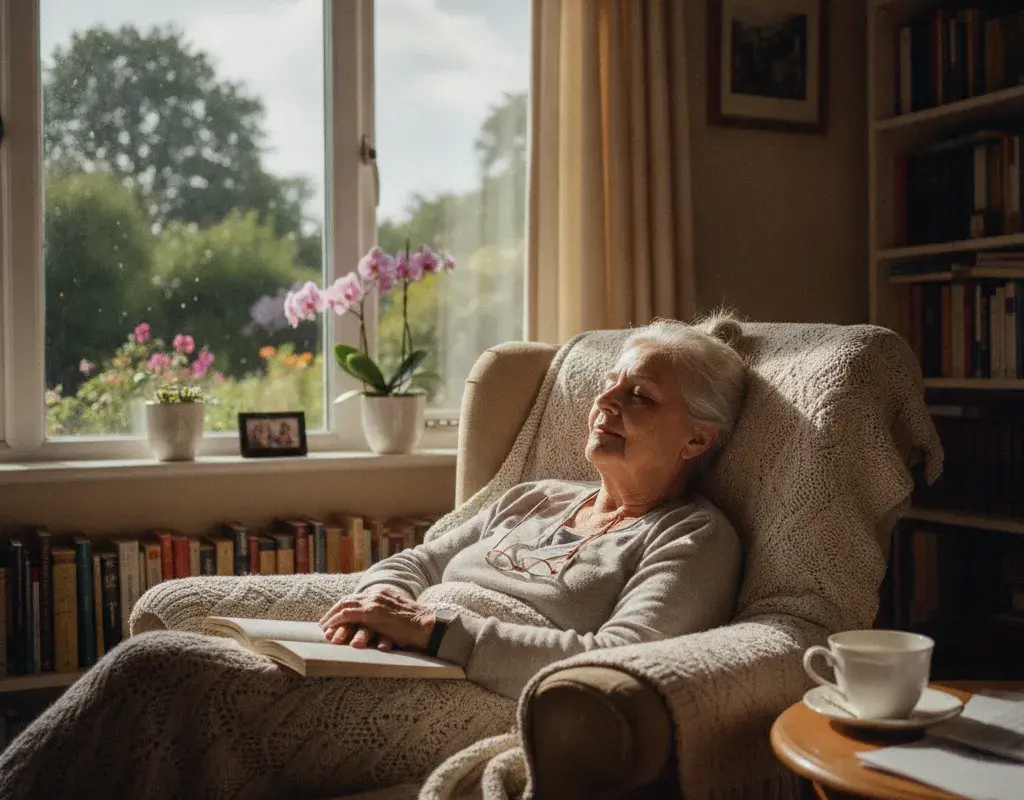
Many people assume that tossing and turning through the night is simply an inevitable part of growing old, but experts say the reality is far more nuanced. While it is true that sleep architecture evolves as we age, there is a critical difference between needing less sleep and struggling to achieve it. According to data from BetterSleep and the National Institute on Aging, older adults still require roughly seven to nine hours of rest per night, just like younger adults. The challenge lies in the fact that this rest often becomes more fragmented, characterized by lighter stages of sleep and more frequent nighttime awakenings.
These shifts are largely driven by changes in our circadian rhythms, the internal biological clocks that dictate when we feel drowsy and when we wake up. For many, this manifests as a gradual shift toward earlier bedtimes and sunrise alarms. However, biology isn’t the only culprit. Life transitions such as retirement can disrupt long established routines, while medical conditions like sleep apnea or common issues like nocturia can turn a peaceful night into a series of interruptions. Medications and chronic pain also play significant roles in complicating the ability to remain asleep for several hours straight.
Despite these hurdles, specialists emphasize that poor sleep should not be accepted as a standard byproduct of aging. Quality sleep remains essential for cognitive function, emotional stability, and heart health well into late adulthood. When lack of rest leads to excessive daytime sleepiness or impaired decision making, it may indicate an underlying disorder rather than a natural progression of age. By viewing sleep as a pillar of healthy aging alongside nutrition and exercise, older adults can seek targeted interventions to reclaim their rest and improve their overall quality of life.