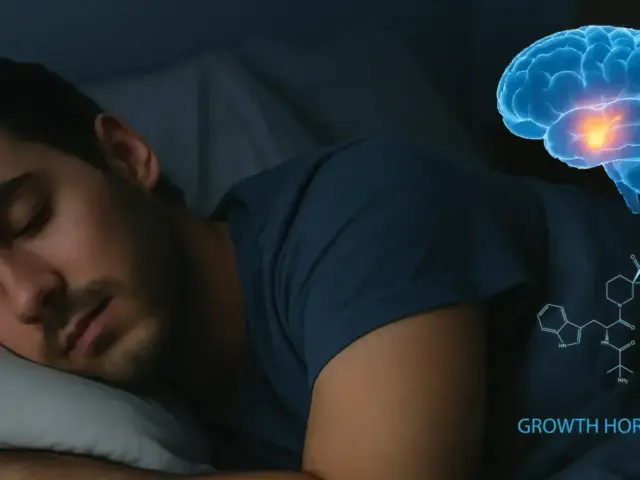
For years, we have been told that the secret to a healthy life lies in hitting a specific number of hours of shut eye each night. However, a massive new study suggests that what happens during those hours is far more critical than the clock indicates. Researchers focusing on nearly 100,000 adults in the UK discovered a striking link between rapid eye movement sleep, the phase where our most vivid dreams occur, and a significantly lower risk of developing dozens of serious illnesses.
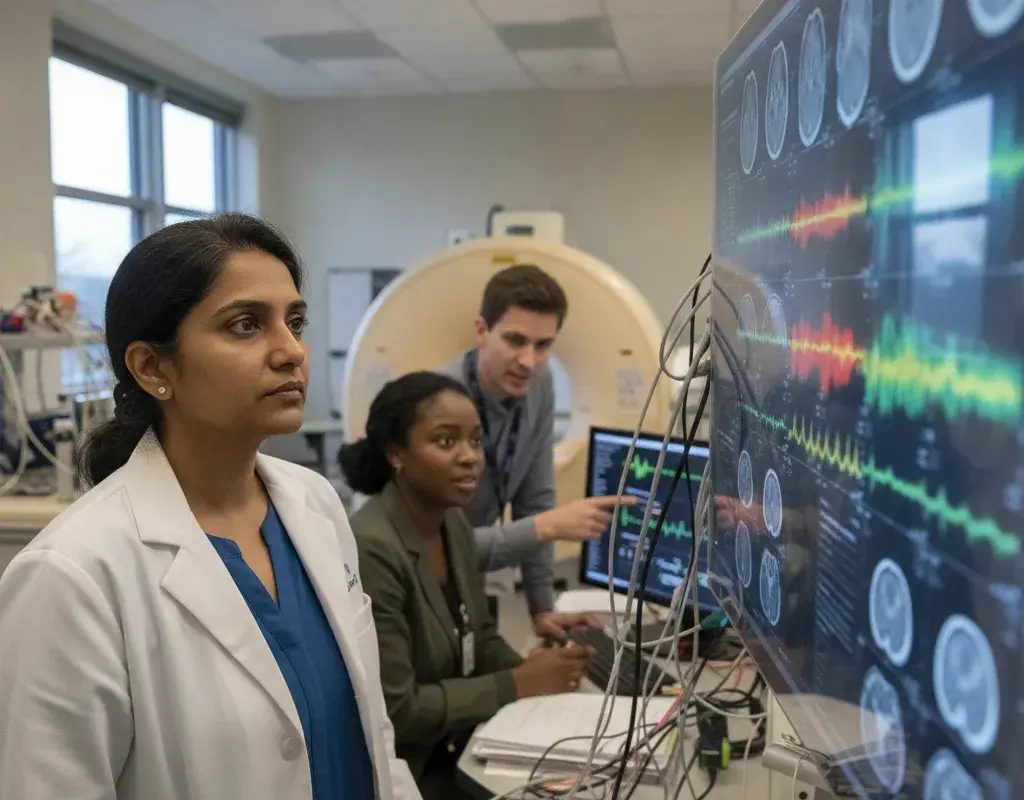
By utilizing wrist mounted sensors and advanced machine learning to track movement patterns, scientists were able to estimate how much time participants spent in various sleep stages. They found that individuals who experienced longer periods of REM sleep were less likely to develop 83 different health conditions over several years. The protections spanned an impressive range of ailments, from cardiovascular issues like heart failure and high blood pressure to devastating neurological declines such as dementia and Parkinson’s disease. In some cases, those with slightly more REM sleep saw their relative hazard of dementia drop by nearly half.
While deep sleep also played a role in preventing certain conditions like type 2 diabetes and depression, REM sleep emerged as the standout protector across the widest variety of diseases. Interestingly, this benefit persisted even when researchers controlled for total sleep duration. This means that simply staying in bed longer isnt enough; it is the quality and composition of that sleep—specifically the dreaming phase—that appears to correlate with better systemic health throughout the body.
Despite these promising results, experts caution that this is an association rather than a proven cure. Because the study relied on movement data rather than direct brain monitoring and focused on a predominantly white population, there are limitations to how universal these findings are. It remains unclear whether more dreaming prevents disease or if healthier bodies are simply better at achieving REM sleep. Nevertheless, the research provides a compelling reason to look beyond the stopwatch and consider how our brains recover while we dream.