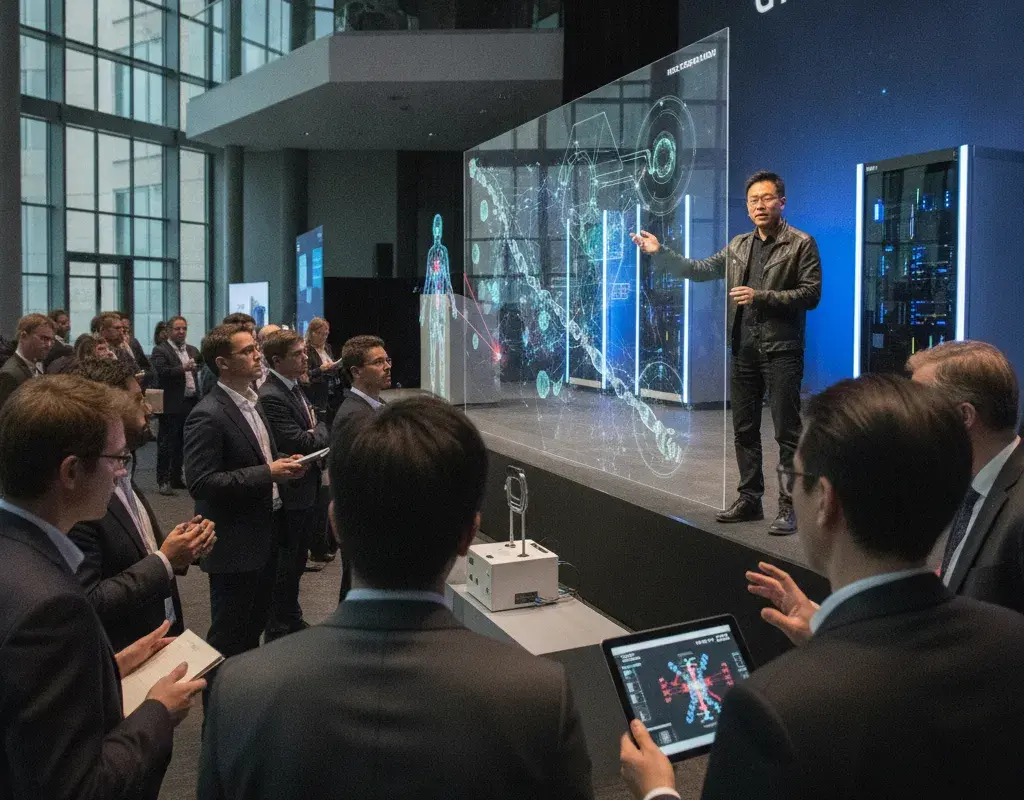
A powerful convergence of artificial intelligence and biotechnology is reshaping the future of medicine, as evidenced by a series of high profile partnerships announced during GTC Berlin. At the center of this shift is NVIDIA, which is providing the computational backbone for breakthroughs ranging from custom protein engineering to highly personalized radiation therapy. By integrating accelerated computing with biological data, researchers are attempting to shrink the time it takes to move a medical hypothesis from a computer screen into a physical laboratory test.
One of the most significant leaps forward comes via a collaboration between NVIDIA and the University of Washington’s Institute for Protein Design. Together they have unveiled RFD4-Proteina, an open model that allows scientists to essentially program new proteins from scratch rather than relying solely on those found in nature. This capability opens the door to creating specialized molecules that can block disease processes or act as ultra sensitive diagnostic tools. According to Nobel Laureate David Baker, making this model open ensures that researchers globally can design everything from new drugs to enzymes capable of breaking down environmental pollutants.
Beyond the microscope, AI is also entering the clinic to tackle the growing global burden of cancer. Siemens Healthineers is leveraging NVIDIA’s intelligence platforms to evolve adaptive radiotherapy, aiming to ensure that cancer treatments adjust to the individual patient in real time. By utilizing agentic co-planning and sophisticated simulations, doctors hope to increase the precision of radiation doses, protecting healthy tissue while maximizing tumor destruction. This approach aims to alleviate the pressure on overstretched oncology teams by streamlining complex workflows and expanding access to life saving care.
The ripple effect extends across the broader life sciences ecosystem, where companies like Benchling, Danaher, and Automata are employing NVIDIA’s BioNeMo platform to build autonomous laboratories. These scientific agents are designed to automate the tedious cycles of trial and error inherent in drug discovery, effectively bridging the gap between digital design and experimental validation. As these technologies mature, the goal is clear: transforming healthcare from a one size fits all model into a precise, digitally driven discipline that delivers tailored cures faster than ever before.