Ten years ago, Professor Raphael Bengoa issued a stark warning to Northern Ireland, describing its healthcare system as a burning platform where standing still was no longer an option. His landmark 2016 review proposed a radical departure from the status quo, arguing that the region could not simply throw more money at a broken model. Instead, he envisioned a shift toward prevention and integrated community care, urging the government to consolidate specialist services rather than attempting to maintain every facility at every hospital site.
Fast forward to today, and the gap between that vision and reality remains wide. While some progress has been made through the introduction of the Encompass digital record system and early steps toward a neighborhood health model, these wins are overshadowed by staggering waiting lists and a crisis in GP access. Critics argue that while the pandemic undoubtedly strained resources, it was political instability—including two collapses of Stormont—that truly derailed momentum. Many feel that instead of strategic transformation, the system has experienced change by crisis, reacting to failures rather than preventing them.
The tension surrounding these reforms has become deeply political and socially charged. Efforts to amalgamate services have met fierce resistance from rural communities who fear they are being abandoned by policymakers. This friction suggests that while politicians may pay lip service to the Bengoa ethos, there is little appetite for the disruptive structural changes required to achieve sustainability. Without a multi-year budget to provide stability, long-term planning remains nearly impossible in an environment defined by short-term firefighting.
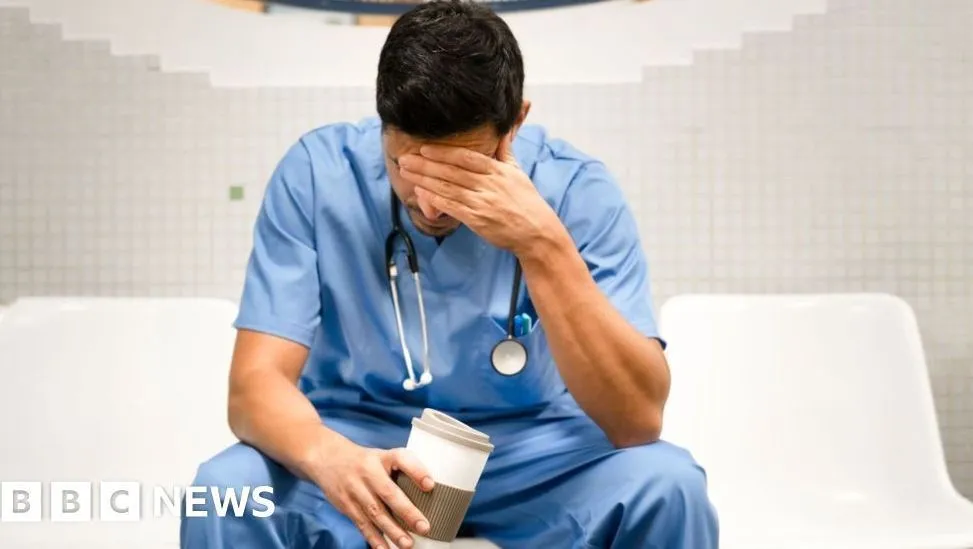
Medical professionals warn that the dream of shifting care from hospitals into the community cannot happen without a drastic increase in manpower. With fewer GP practices operating today than in 2016 despite a growing population, doctors argue that there simply isn’t enough staff to carry out Bengoa’s blueprint. As Northern Ireland looks toward another election cycle, the core diagnosis of ten years ago remains unchanged: the system requires fundamental reform or it will continue to buckle under its own weight.