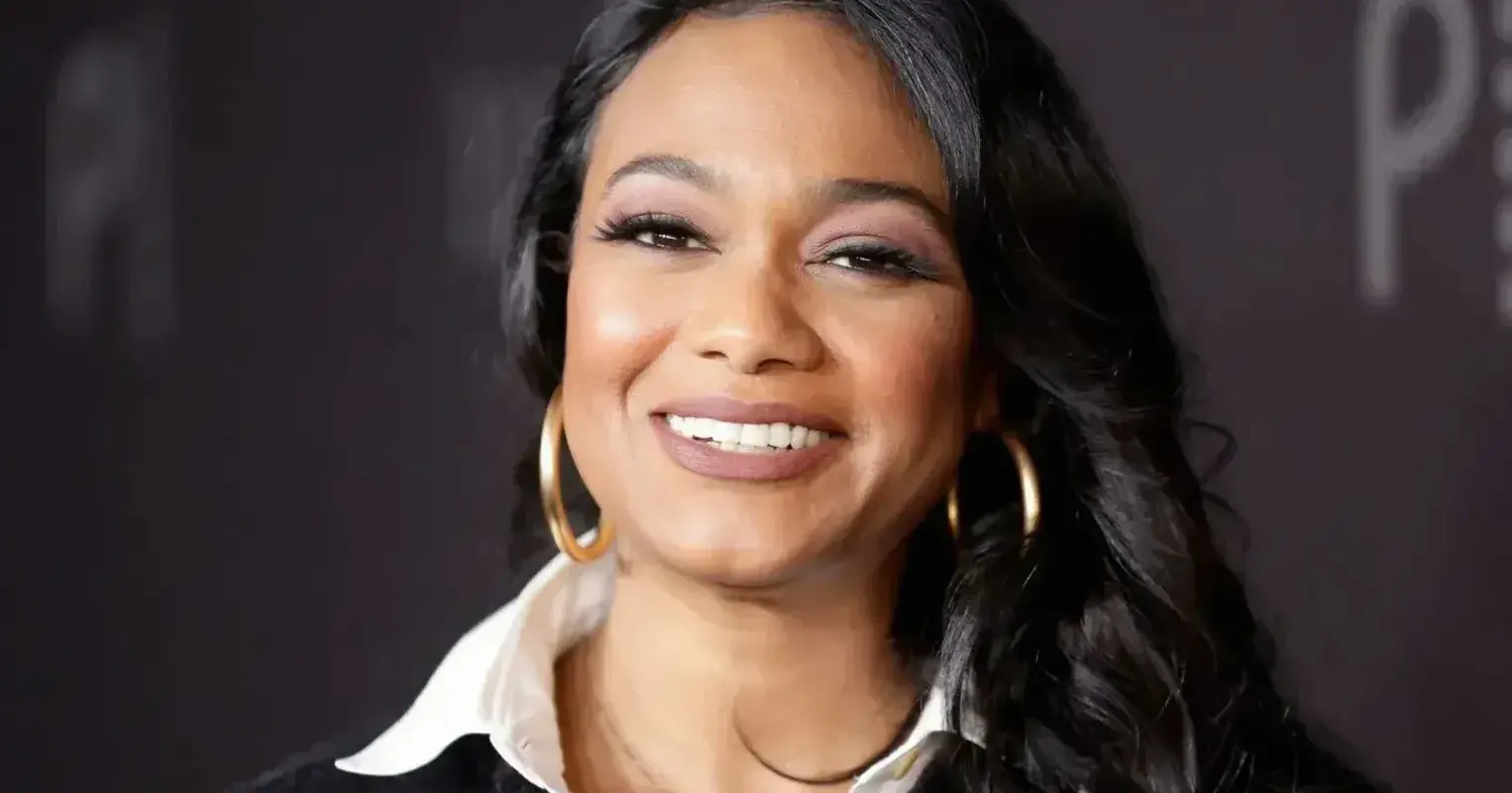
Tatyana Ali recently shared a vulnerable moment from a rehearsal for Dancing With the Stars that resonated deeply with mothers everywhere. While moving her body, the Fresh Prince of Bel Air alumna experienced a sudden, overwhelming emotional release in her hips that led to tears she struggled to put into words. For Ali, who has become a vocal advocate for maternal health, this experience was less about the choreography and more about reclaiming a connection to herself after the profound shifts of childbirth. She now encourages other mothers to embrace dance as a tool for healing, urging them to simply get up and move.
Experts suggest that what Ali experienced was a cathartic release, a phenomenon where the body processes trauma and emotion that traditional speech cannot reach. Tamara Akuna Hunter, a licensed counselor and dance movement therapist, explains that movement is essentially our first language, predating verbal communication. This makes it a powerful medium for processing nonverbal emotions, particularly for Black women who disproportionately face systemic challenges and higher mortality rates within the maternal healthcare system. When words fail, rhythmic motion can act as medicine, flushing out stagnant energy and providing a safe outlet for feelings that have been suppressed during the demands of early motherhood.
Beyond the emotional relief, there is a critical physical component to this journey. Pregnancy fundamentally alters a woman’s posture, straining the back and weakening the core. Dr. Brittney Wright, a physical therapist specializing in pelvic health, notes that intentional movement helps mothers recognize their bodies again after they have undergone unexpected changes. Whether through structured Pilates or free-form dancing, these activities allow women to regain their agency and physical strength without falling into the trap of trying to snap back to an old version of themselves.
Ultimately, integrating movement into postpartum recovery offers more than just fitness; it provides a path toward reintegration. By combining physical activity with emotional exploration, mothers can navigate the identity shift that often accompanies parenthood. As specialists like Hunter point out, the magic lies in the process rather than the performance. In an era where maternal mental health is frequently overlooked, finding joy in movement serves as a vital reminder that taking care of oneself is not an indulgence but a necessity for overall well-being.