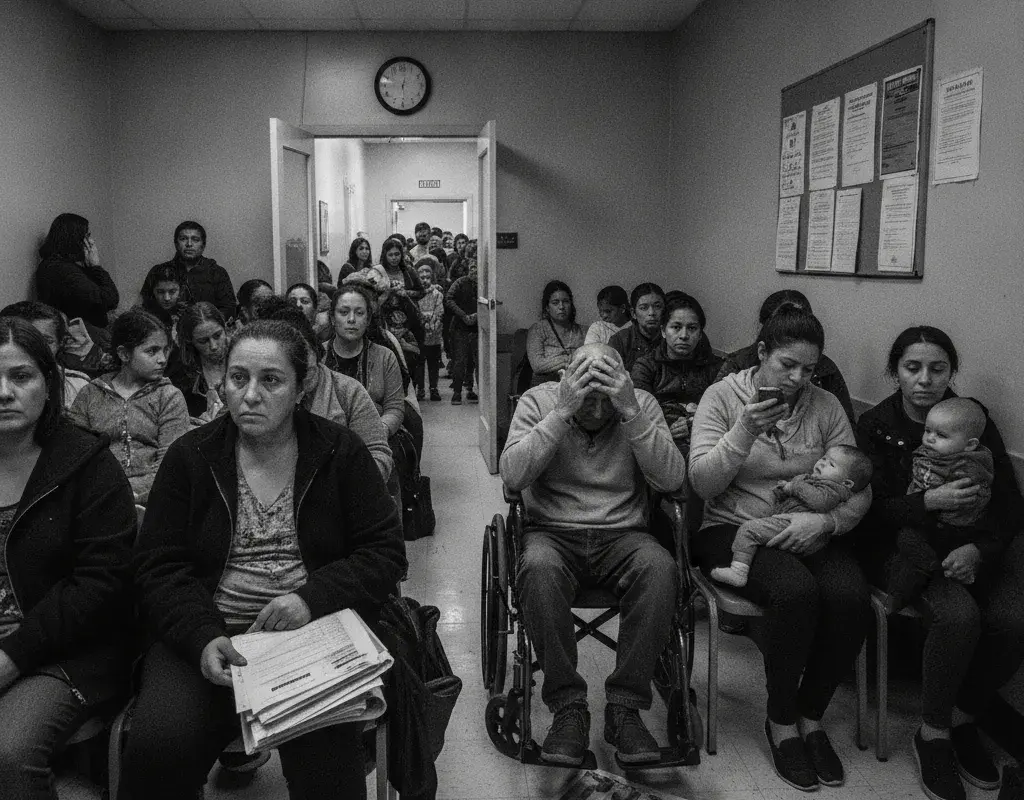
A wave of sweeping changes to federal health care policy is set to leave millions of Americans without insurance over the coming decade. According to projections from the Congressional Budget Office, updates stemming from a 2025 tax and spending law will likely result in 10 million additional uninsured citizens by 2034. While various factors contribute to this surge, the bulk of the loss is tied to significant restructuring of Medicaid, which includes stricter eligibility checks and new requirements for recipients.
The immediate impact has already begun for some, as new restrictions targeting lawfully present immigrants took effect on October 1. However, a much larger disruption looms in 2027 when community engagement requirements will kick in for many adults covered under Medicaid expansion. These mandates will require participants to prove they are working, attending school, or engaging in other qualifying activities to keep their benefits. Experts warn that these hurdles could strip coverage from people who have relied on consistent medical treatment for years, turning manageable health conditions into costly emergencies.
Geographically, the burden of these losses will not be shared equally across the country. Data suggests that California faces the steepest climb, with potentially 1.6 million residents losing coverage, followed closely by New York and Florida. In total, twenty states and Washington D.C. are expected to see their uninsured rates jump by at least three percentage points. This creates a precarious situation where high populations in densely packed states could face sudden gaps in primary care and prescription access.
Financial analysts argue that while these measures might reduce immediate government spending on premiums and subsidies, they may inadvertently drive up overall healthcare costs. When patients skip preventative care or prescriptions due to lack of insurance, they often end up in emergency rooms with more severe complications. This shifts the financial burden onto hospitals and state governments through uncompensated care costs, suggesting that short term savings on paper could lead to long term systemic instability throughout the American medical landscape.