Frustration with the American healthcare system has pushed the concept of Medicare for All from the fringes of Democratic politics directly into the center of national debate. With recent polling suggesting nearly sixty percent of Americans favor such a system, politicians like Senator Chris Van Hollen argue that the current model has reached a breaking point where premiums and copayments are simply unsustainable. For millions of citizens currently burdened by medical debt, the promise of a streamlined, government-funded system feels like a necessary lifeline rather than a radical experiment.
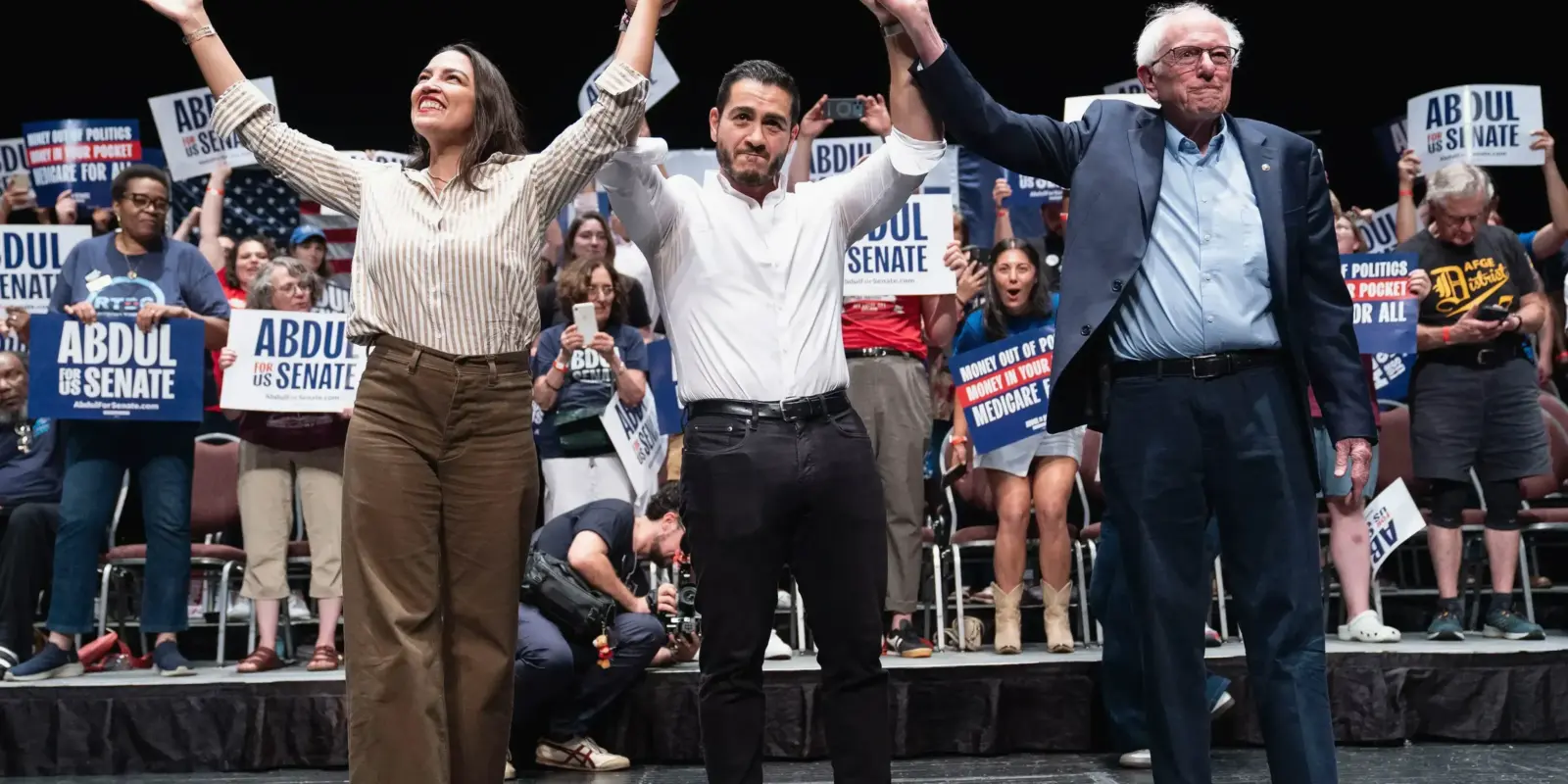
However, transforming an inspiring campaign slogan into functional law reveals deep divisions over what universal healthcare should actually look like. Economists describe the tension as a choice between building a shack or a chateau. Some experts suggest a modest basic plan that covers catastrophic events but requires supplemental insurance for elective procedures to keep costs manageable. On the other hand, candidates like Michigan’s Abdul El-Sayed are advocating for a comprehensive sweep that eliminates patient charges entirely and expands coverage to include dental and vision care, phasing in eligibility over several years to prevent systemic shock.
The primary hurdle remains the staggering math of funding such an overhaul in an industry already consuming nearly twenty percent of the nation’s gross domestic product. While proponents believe a single-payer system could save hundreds of billions annually by eliminating private insurance overhead and negotiating lower drug prices, critics warn of astronomical costs. President Joe Biden has previously signaled he would veto such legislation due to projections reaching tens of trillions of dollars over a decade. Furthermore, public support tends to waver when voters are asked if they would accept higher taxes or lose their existing employer-sponsored plans.
Despite these obstacles, there is evidence that the tide may be shifting within the medical community itself, with surveys indicating that more than half of physicians would prefer a single-payer system. Even if a full scale transition proves impossible, the renewed push for Medicare for All may serve as a strategic opening to secure smaller wins, such as allowing younger people to buy into existing programs or implementing tougher price negotiations. Much like the evolution of the Affordable Care Act, today’s ambitious demands might eventually pave the way for more pragmatic reforms that move closer to universal access without collapsing the federal budget.