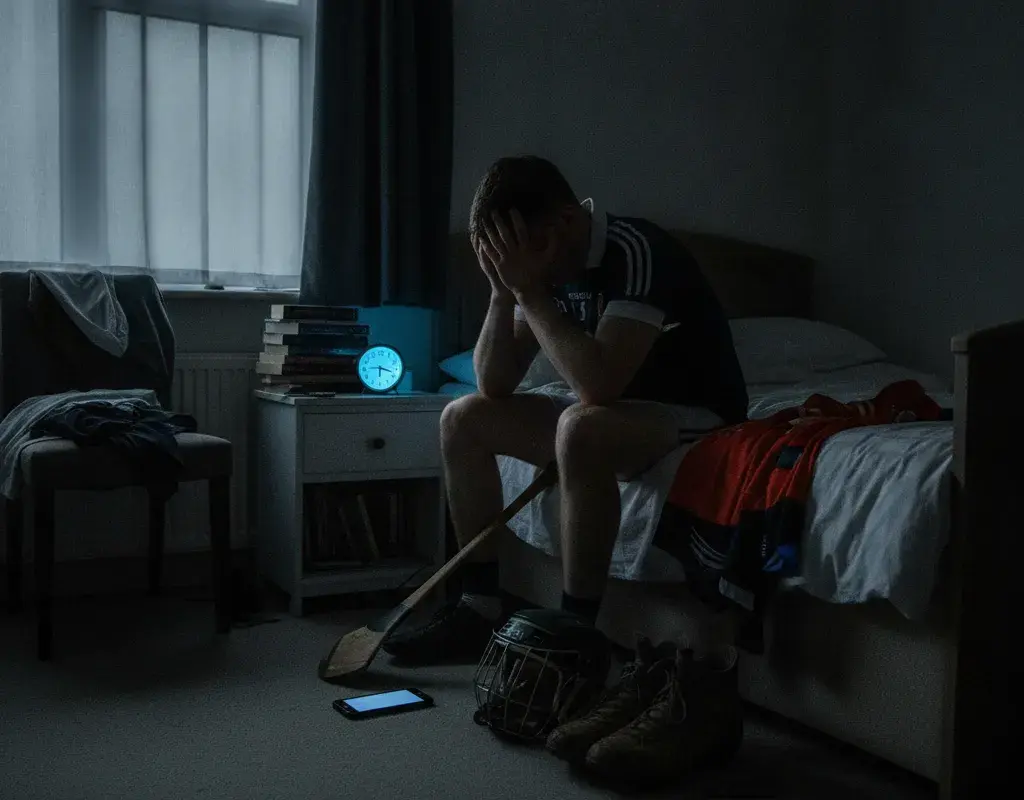
A startling new study has revealed that nearly three quarters of Gaelic Games athletes are struggling with poor sleep quality, creating a hidden vulnerability that could lead to decreased performance and a higher risk of injury. Research conducted among 377 players found that 73 percent qualify as poor sleepers. While these athletes are generally hitting the recommended mark for total sleep duration, averaging about seven and a half hours a night, the actual quality of those hours is where the problem lies. For many, the struggle isn’t about how long they spend in bed, but rather how long it takes them to actually drift off.
The culprits behind this trend are woven into the very fabric of how amateur sports operate in Ireland. With weekday training sessions and matches frequently running until late in the evening, players often return home with their bodies flooded with adrenaline and their core temperatures elevated. When combined with the necessity of eating a post-game meal to recover energy and the pressure of waking up early for work or family commitments, many find themselves staring at the ceiling while their brains remain on high alert. Some further complicate the issue by relying on late afternoon caffeine to survive a full workday before heading to the pitch.
This lack of restorative sleep does more than just cause tiredness; it actively hinders the body’s ability to repair muscle fibers and maintain cardiovascular endurance. Because sleep is essential for memory consolidation and emotional regulation, subpar rest can diminish a player’s concentration and force output during critical moments of a game. Essentially, when an athlete is deprived of quality sleep, they lose the physiological edge needed to cope with the intense stresses of competition, leaving them far more susceptible to physical breakdowns.
Since shifting match schedules or changing work hours is largely unrealistic given current constraints, experts suggest focusing on small, controllable habits to improve sleep onset. Reducing caffeine intake later in the day—especially during non-competitive training sessions—can make a significant difference. Additionally, taking a hot shower after a late game can paradoxically help lower core body temperature more quickly once out of the water, signaling to the brain that it is time to wind down despite the lingering excitement of the sport.