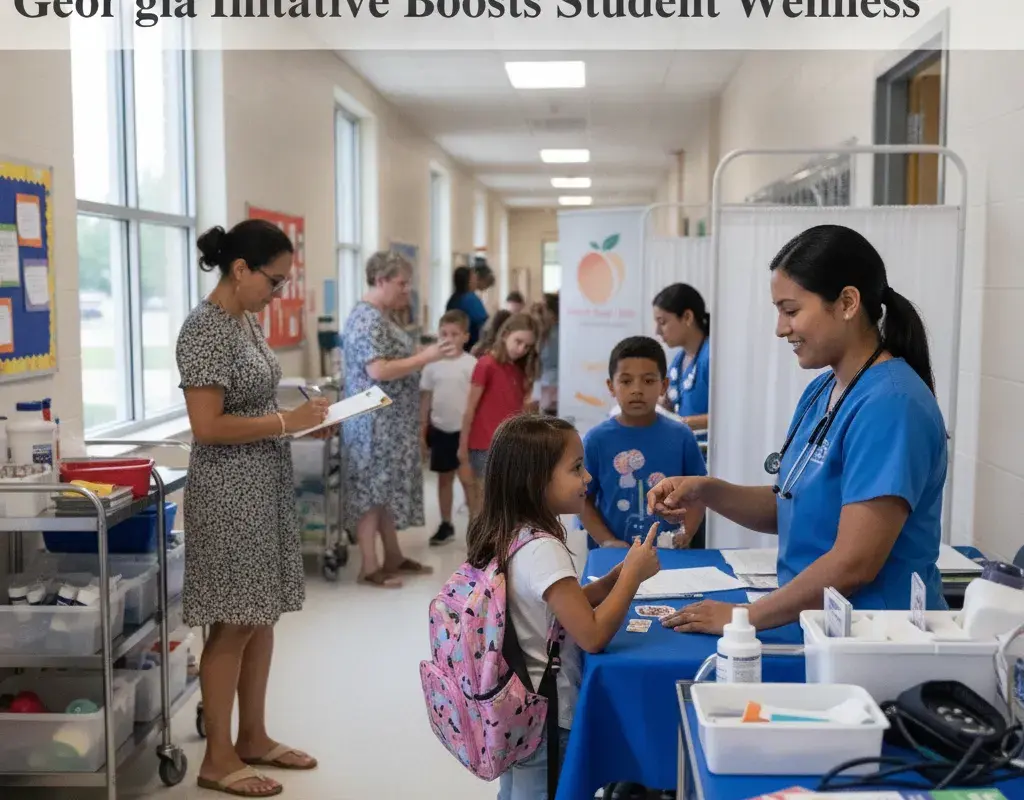
For countless families across Georgia, a simple doctor’s visit often involves a stressful gauntlet of transportation hurdles, limited appointment slots, and missed hours of work or class. To combat these barriers, Peach State Health Plan has released a new video titled The Power of Partnership, which illustrates how integrating health centers directly into schools provides students with essential care in a familiar and trusting environment. This effort is part of a larger strategic push detailed in the organization’s most recent Community Impact Report.
The initiative was fueled by a substantial 1.1 million dollar investment from Peach State Health Plan and the Centene Foundation. These funds were used to support 17 different school-based health centers, allowing for the expansion of physical facilities and the integration of modern telehealth technology. Beyond infrastructure, the money provided critical medical and dental equipment as well as specialized behavioral health services and additional staffing to ensure students receive comprehensive care without leaving campus.
According to Clyde White, President and CEO of Peach State Health Plan, moving healthcare into schools prevents medical issues from becoming academic roadblocks. He noted that the collaboration with the Georgia Primary Care Association shows what happens when community partners align their goals to solve local problems. Duane Kavka, CEO of the Georgia Primary Care Association, echoed this sentiment, stating that continued innovation allows them to bring vital services closer to children and families who need them most.
The data suggests the program is working remarkably well. Participating health centers saw an overall jump in patient encounters by 83 percent, totaling over 4,000 additional visits beyond previous baselines. Behavioral health services saw the most dramatic growth with a 112 percent increase, while dental and medical visits rose by 91 percent and 75 percent respectively. By investing in localized care, Georgia is seeing a tangible shift in how accessible healthcare becomes for its youngest residents.