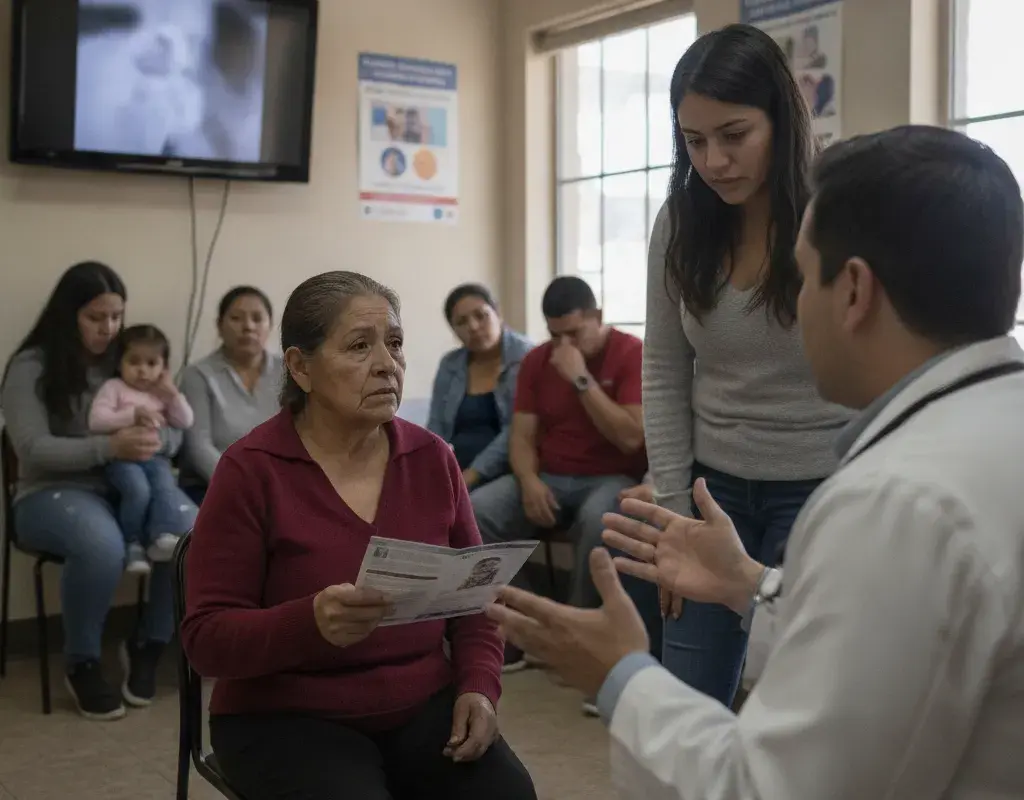
A sobering new medical report is shining a light on the persistent healthcare gaps facing Hispanic and Latino Americans, revealing significant disparities in cancer outcomes and access to life saving care. While medical advancements continue to evolve across the board, these findings suggest that systemic barriers are preventing minority populations from receiving the same quality of screening and treatment as other demographic groups.
The data underscores a troubling trend where late stage diagnoses are more common within these communities, often leading to lower survival rates despite the availability of modern therapies. Health experts point toward several contributing factors, including linguistic hurdles, lack of health insurance, and a general mistrust of institutional medicine that can discourage patients from seeking preventative screenings until symptoms become severe.
Addressing these inequities requires more than just clinical solutions; it demands a cultural shift in how outreach is handled. Advocates argue that increasing the number of bilingual providers and expanding mobile screening clinics into underserved neighborhoods could bridge the gap. By meeting patients where they are and providing education in their native languages, providers hope to catch malignancies earlier when they are most treatable.
As policymakers look at ways to improve public health infrastructure, this report serves as an urgent reminder that equality in medicine is not yet a reality. The goal moving forward is to ensure that a patient’s zip code or ethnicity does not determine their likelihood of surviving a cancer diagnosis, turning these statistics into catalysts for real legislative and social change.