For many Americans relying on food banks, the struggle isn’t just about getting enough calories, but getting the right kind of nutrition. While pantries are often stocked with grains and canned goods, high quality protein remains a luxury that is rarely donated. According to Hannah Lindoff, executive director of SeaShare, protein typically accounts for only about two percent of food bank donations despite being in massive demand. To bridge this gap, SeaShare has spent over three decades acting as a vital link between the commercial fishing industry and families in need, ensuring that nutrient dense seafood reaches plates across the country.
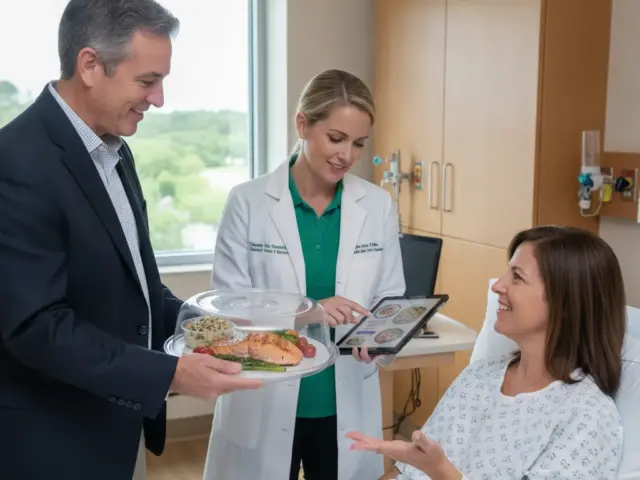
The organizational mission goes beyond simple charity by focusing on the specific health benefits that seafood provides throughout every stage of life. From supporting fetal development during pregnancy to reducing cardiovascular risks in adults, the vitamins and micronutrients found in fish are essential for long term wellness. By sourcing everything from salmon and halibut to shrimp and tilapia, SeaShare transforms potential waste into meaningful nourishment. What began thirty years ago as a way to redirect Alaskan pollock bycatch has evolved into a sophisticated operation where first run, marketable seafood is regularly donated thanks to strategic partnerships and tax incentives.
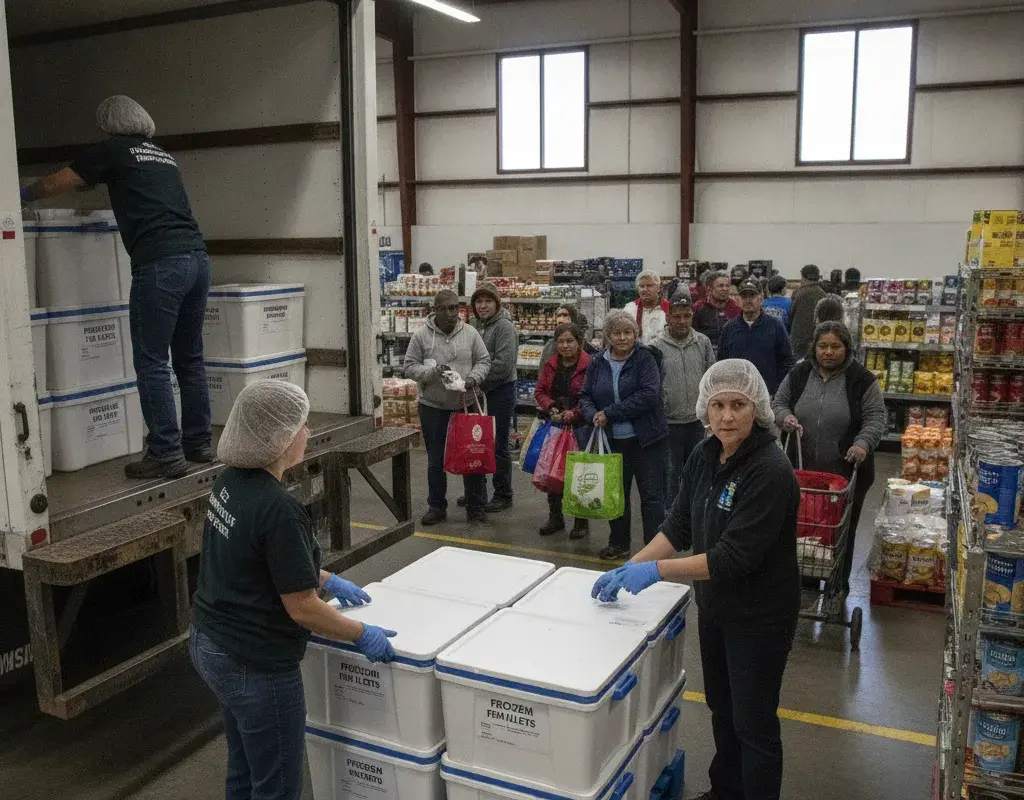
Logistics remain the biggest hurdle given the perishable nature of the product. Moving frozen or chilled fish requires a precise cold chain, which is why SeaShare leverages existing shipping routes and networks like Feeding America to streamline delivery. This efficiency allows partners such as Oddisea SuperFrozen to donate thousands of servings that might otherwise go unused due to commercial labeling issues. These donations are often depleted within days because seafood is such a rarity in traditional food assistance programs.
Beyond mere volume, SeaShare prioritizes cultural relevance to ensure food is used rather than wasted. For instance, when shipments of surimi flakes arrive, the organization directs them toward agencies serving Korean communities who value and know how to prepare the ingredient. This thoughtful approach extends even to the most remote corners of Alaska, where deliveries may involve barges or planes reaching tiny islands with only dozens of residents. For these isolated elders and families, a single box of salmon represents far more than a meal; it is a lifeline provided by a network committed to dignity and health.